
Build a High-Converting Landing Page in 5 Easy Steps

If your landing page isn’t converting, it’s not doing its job. A great landing page doesn’t just look good, it guides your visitors to take action, whether that’s signing up, booking a call, or making a purchase.
But let’s be honest: too many landing pages are cluttered, confusing, or trying to do way too much. Let’s simplify.
Here’s how to build a high-converting landing page in 5 easy steps:
1. Start with a Clear, Action-Focused Headline
Your headline is the first thing people see, and decide whether they’ll keep reading. Make it clear what you’re offering and why it matters. This is not the time for clever wordplay.
✔ Example: “Get a Custom Logo Design in 3 Days, Guaranteed” ✖ Not: “Designing Dreams One Pixel at a Time”
Keep it specific, benefit-driven, and straight to the point.
2. Add a Strong Supporting Subheadline
Think of your subheadline as the “so what” of your offer. It should explain your value in a little more detail and build trust.
✔ Example: “Trusted by over 250 small businesses to create brands that stand out in a crowded market.”
This is where you can also mention credibility points like years of experience, awards, or happy client stats.
3. Focus on ONE Clear Call to Action
Too many landing pages overwhelm visitors with choices. Book a call, download a PDF, follow on Instagram, sign up for emails… and your audience ends up doing none of them.
Stick to one primary action you want people to take. Make your button clear and action-oriented.
✔ Example button copy:
“Book Your Free Call”
“Get My Free Guide”
“Start Your Free Trial”
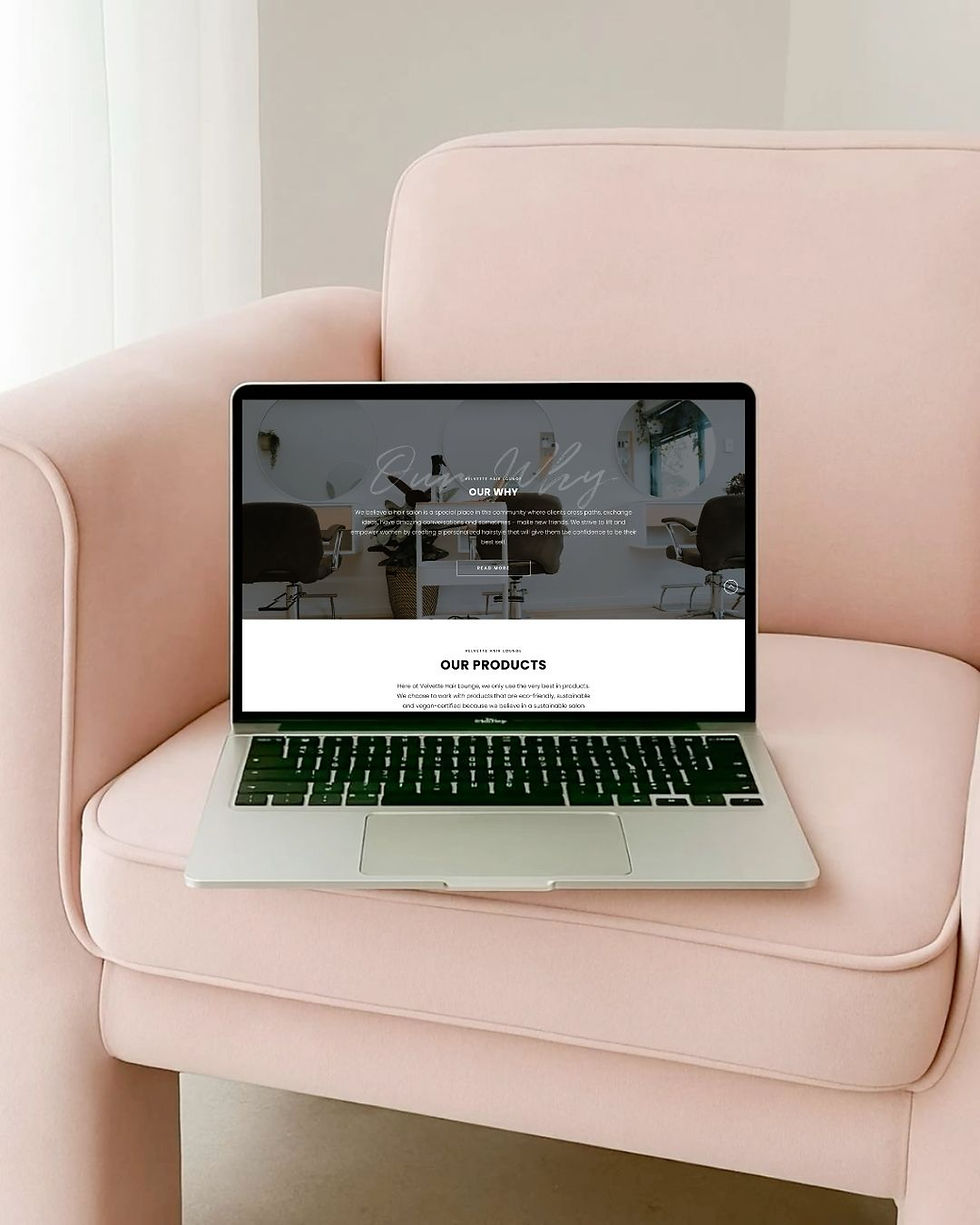
4. Keep the Landing Page Design Clean and Mobile-Friendly
No one trusts a cluttered, outdated landing page. Use plenty of white space, bold headings, and easy-to-read fonts. And since over half your visitors will likely be on mobile? Test your landing page on your phone to make sure buttons, text, and forms are easy to navigate.
A clean design = fewer distractions = higher conversions.

5. Add Trust Elements (a.k.a. Social Proof)
People trust people. Add testimonials, reviews, logos of brands you’ve worked with, or screenshots of happy customers. These trust signals help reassure visitors that your offer is legit.
Bonus tip: If you don’t have client testimonials yet, mention guarantees or your personal commitment to quality and customer service.
In Conclusion
Your audience is on mobile; your website should be too. A mobile-friendly website creates a smoother user experience, improves your SEO rankings, and ultimately helps your business grow.
Need some help with your landing page? Get in touch today and see how we can work together!


Comments